
Artist Interviews
Uncovering artists’ passions through words and images. We’ve been talking with artists about their work for over ten years in various forms and adding interviews from archives periodically.
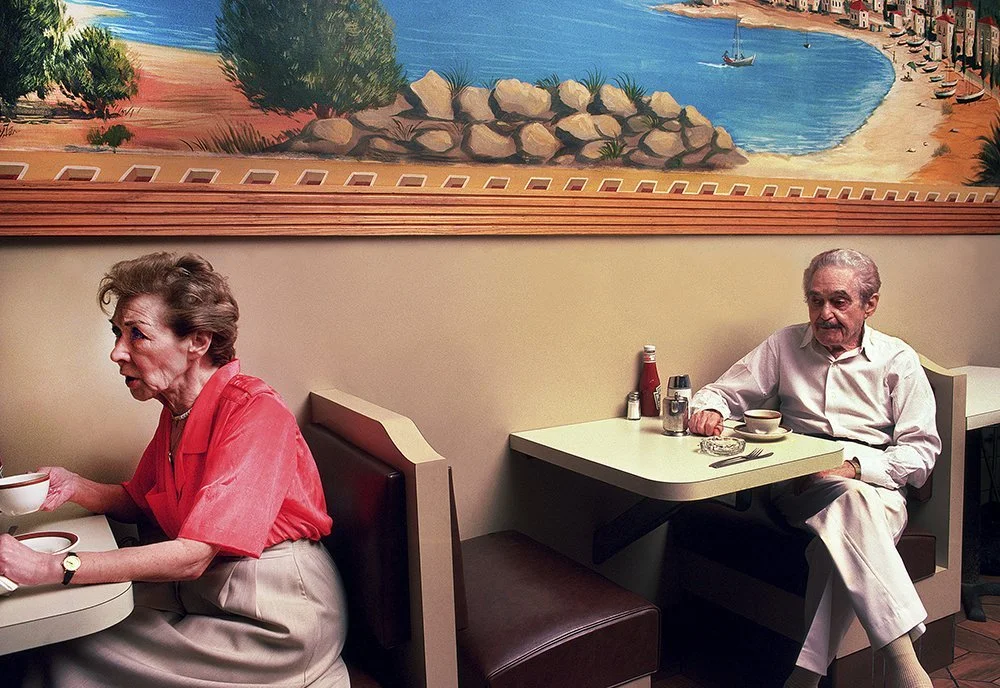
Diana Nicholette Jeon interviews Nancy Scherl about her recently published book Dining Alone: In The Company of Solitude. Scherl states, “I often consider the work to be both biographical as well as autobiographical. I draw from pictorial and documentary genres in much of my work, notably when working on portraits, where I frequently invoke metaphor.”

Jeannie Hutchins interview by Amy Parrish
Hutchins’ practice includes various techniques: gum bichromate and carbon transfer printing, experiments with wet cyanotypes, working in the digital darkroom, printing on alternative surfaces, and rephotographing prints with materials such as glitter, textured paper, and fairy lights. Yet evidence of her hand remains elusive: the process is inextricably bound to the image. Looking at her work is like looking upon a mystery.
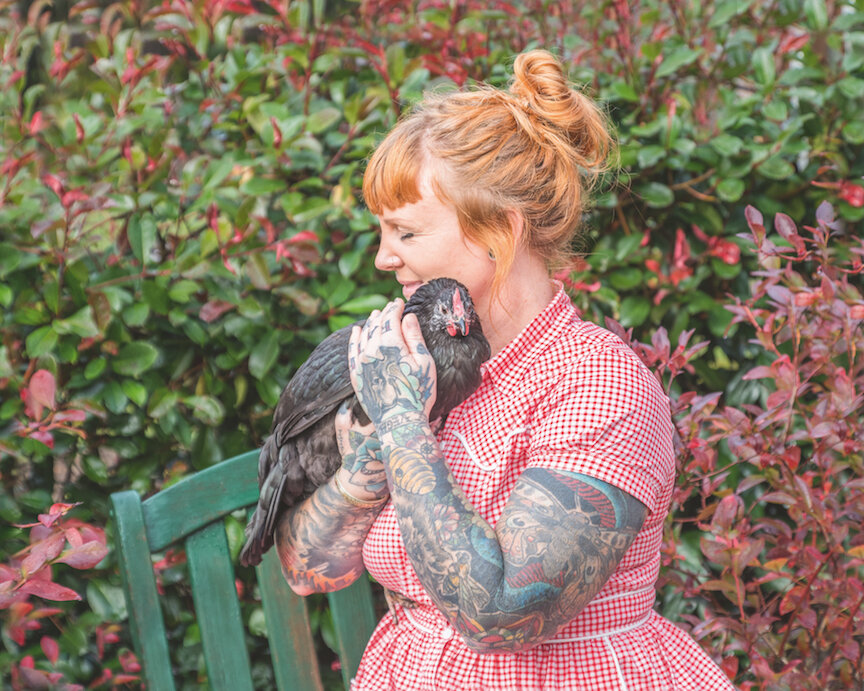
Diana Nicholette Jeon interviews Janet Holmes about her upcoming book, “Nest.” Janet says, “The photographs are an invitation to re-imagine their world as one where animals are here with us, not for us.”

DM Witman interview by Amy Parrish
Over in a pocket of still water shadowed by trees, hundreds of tiny white blossoms floated like stars as insects skated upon a black pane of glass.
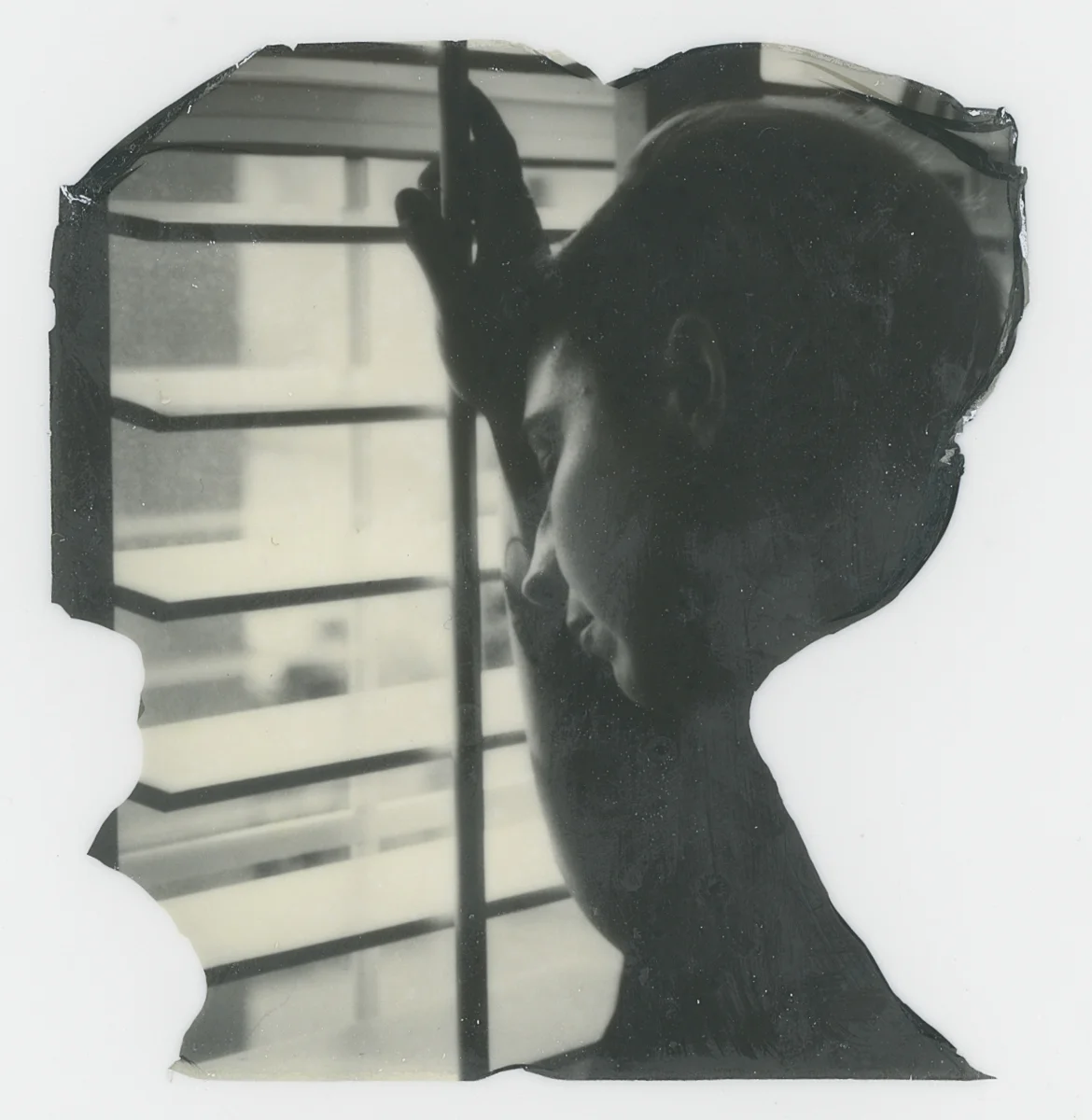
A conversation with Ronni Mae Knepp.
A while back I received a submission from Ronni Mae Knepp with an introduction to herself and her work. It was an engaging letter that sparked several enjoyable conversations. Knepp is an excellent writer and the timing was such that I figured it was time to do another in depth interview for our readers. As you will see, Knepp is an ideal candidate for doing a more extensive feature.

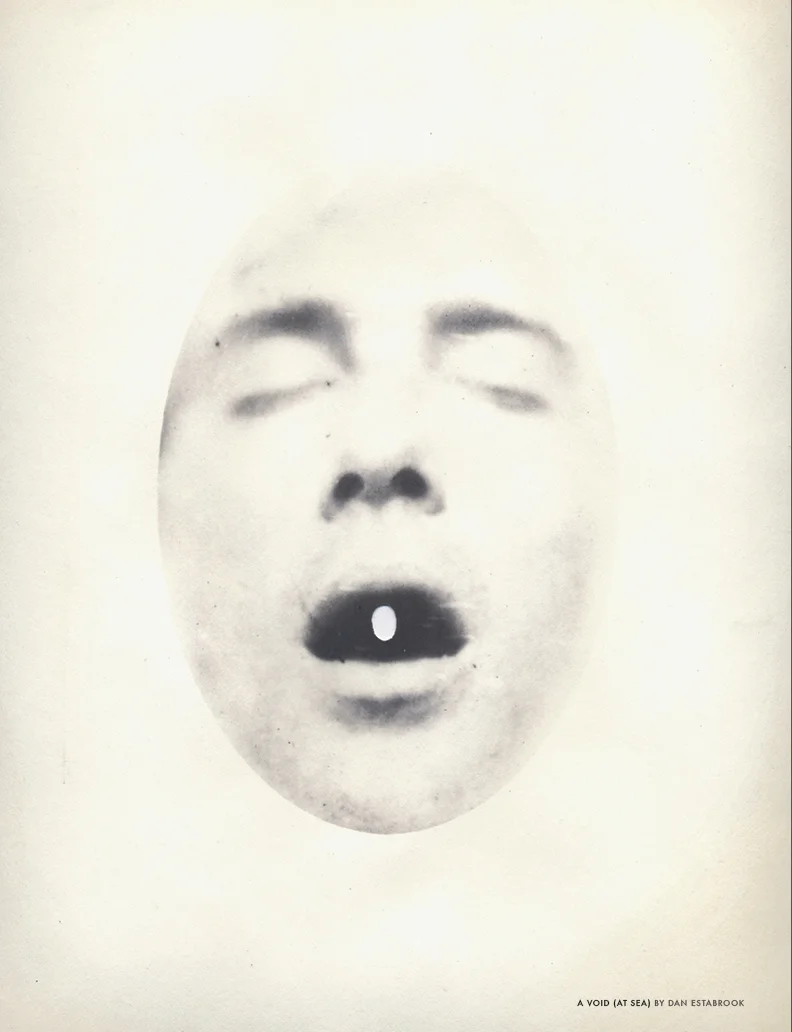
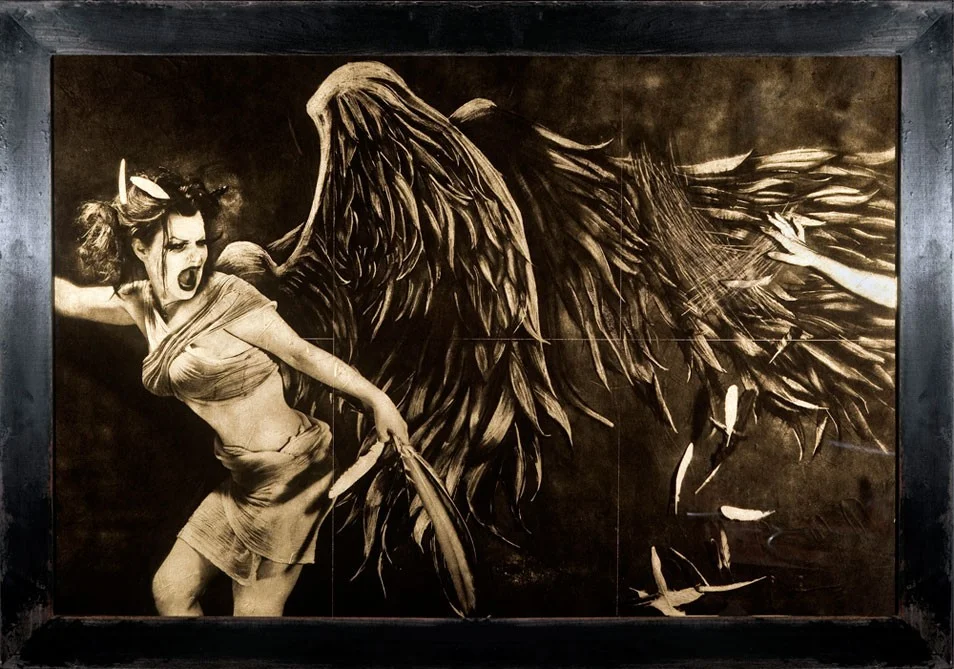
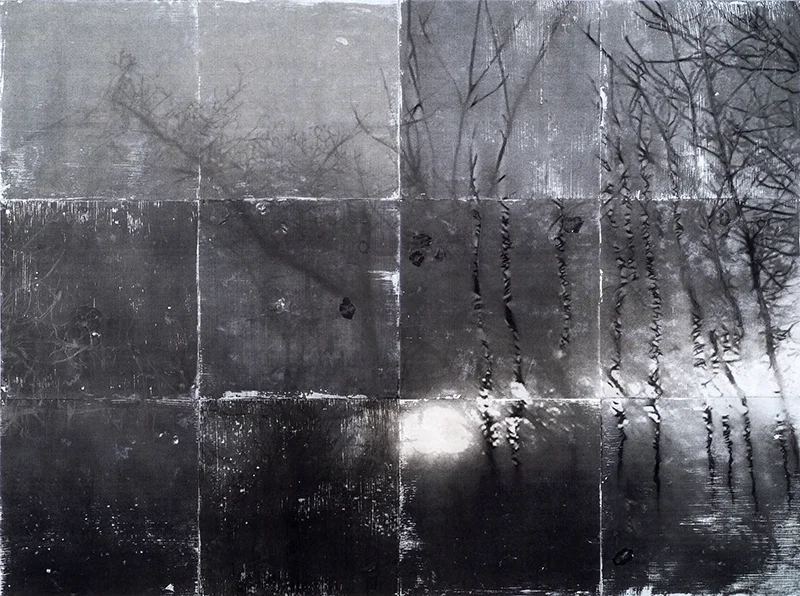
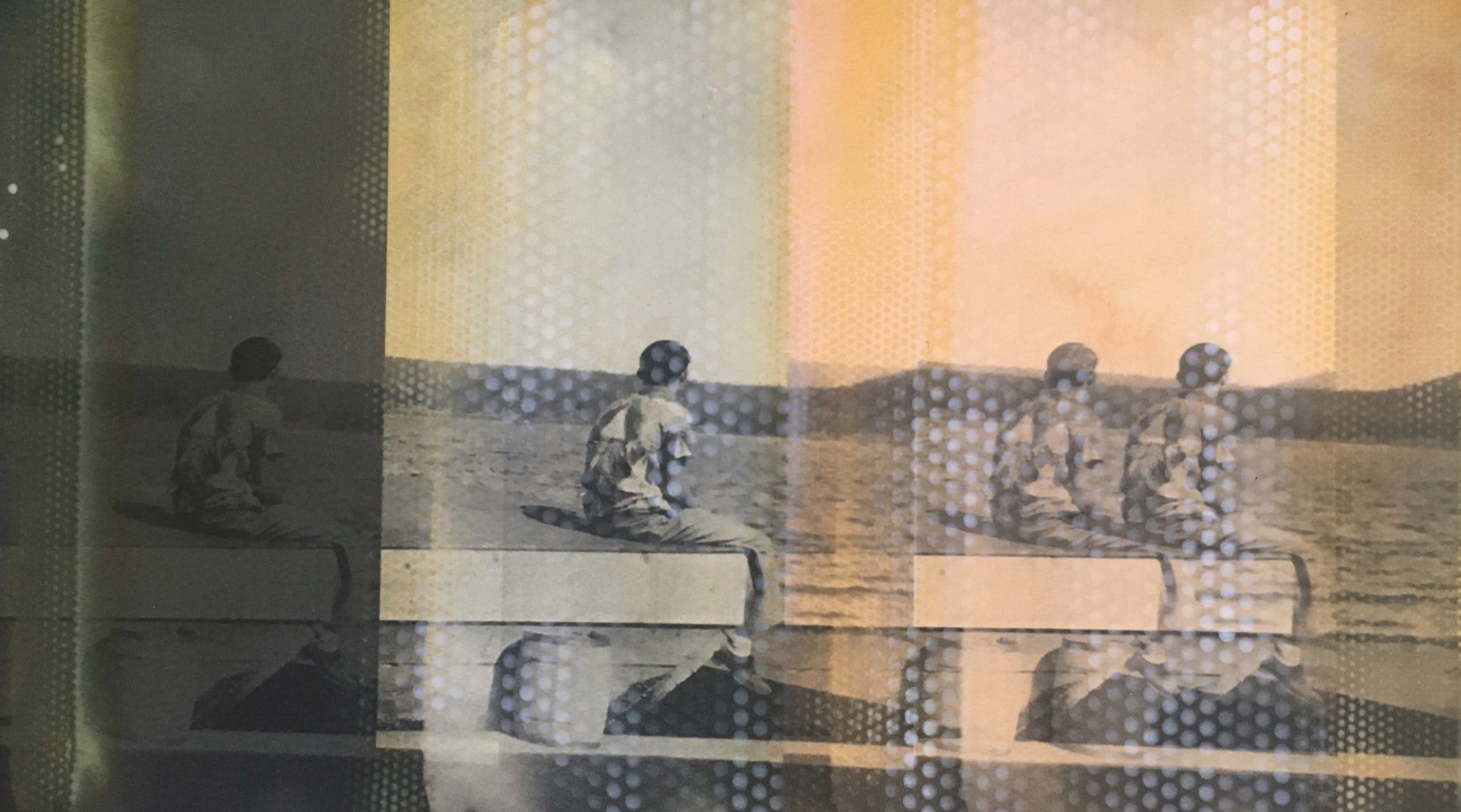

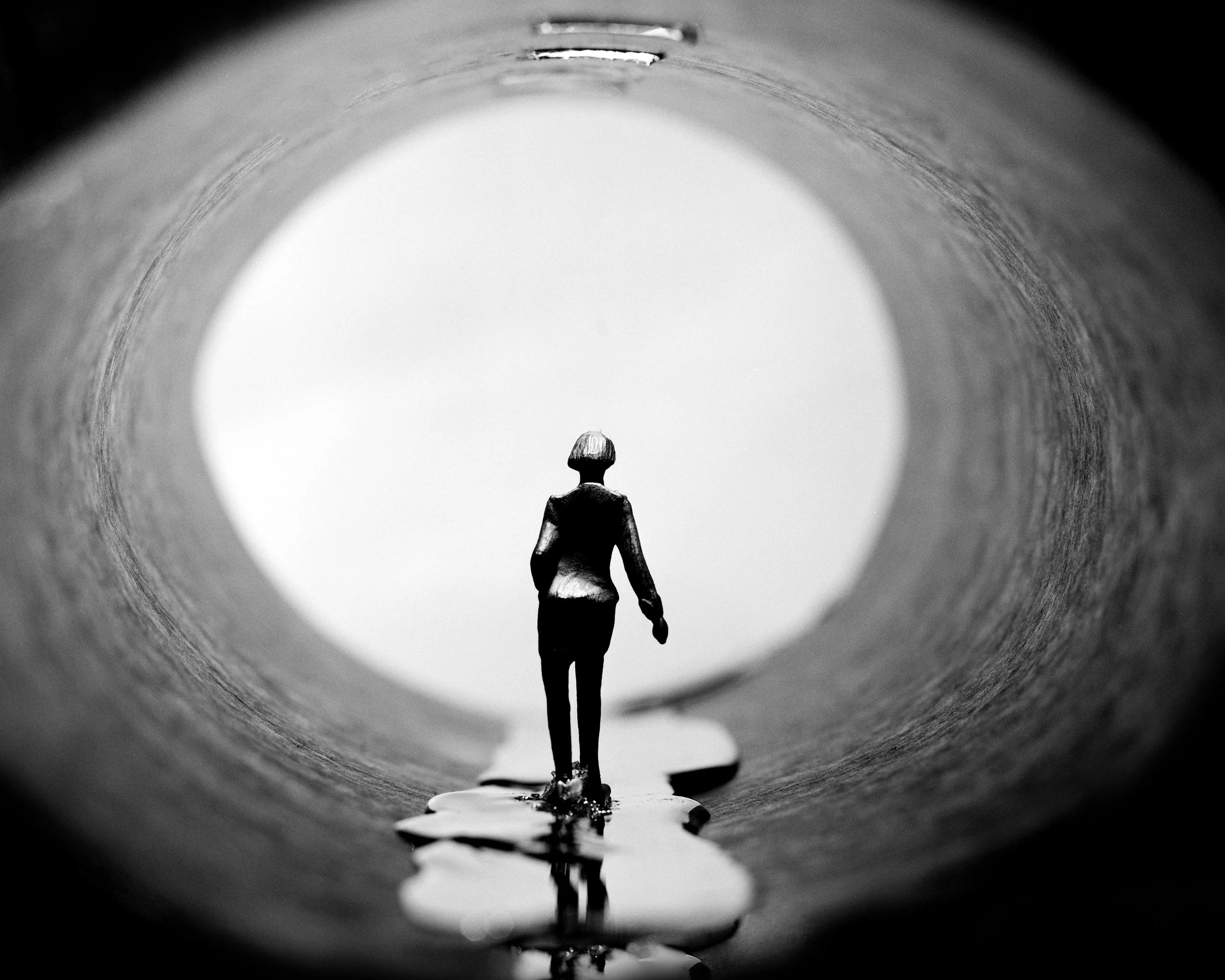
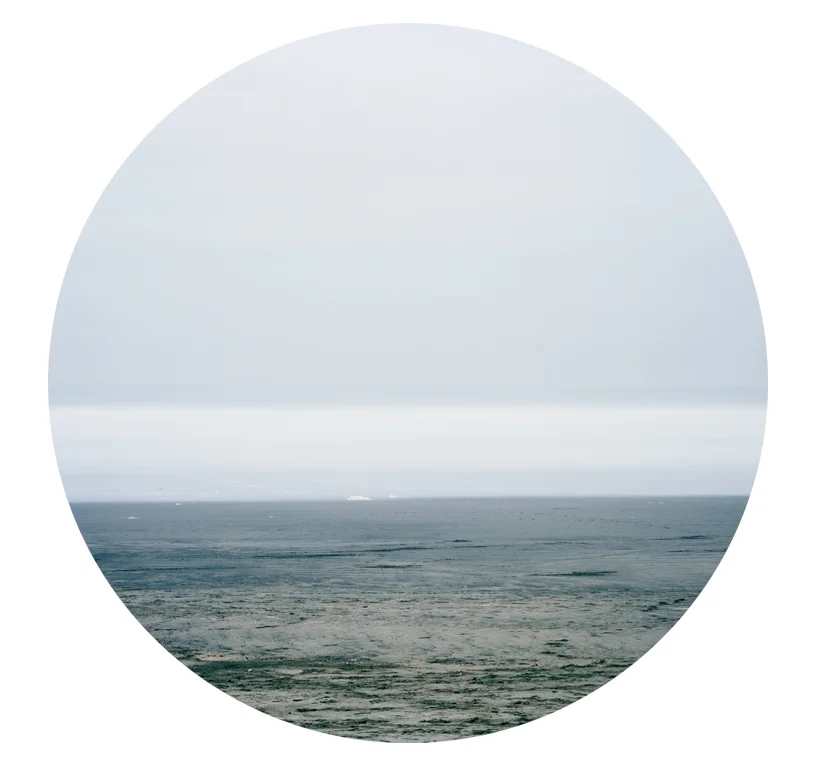

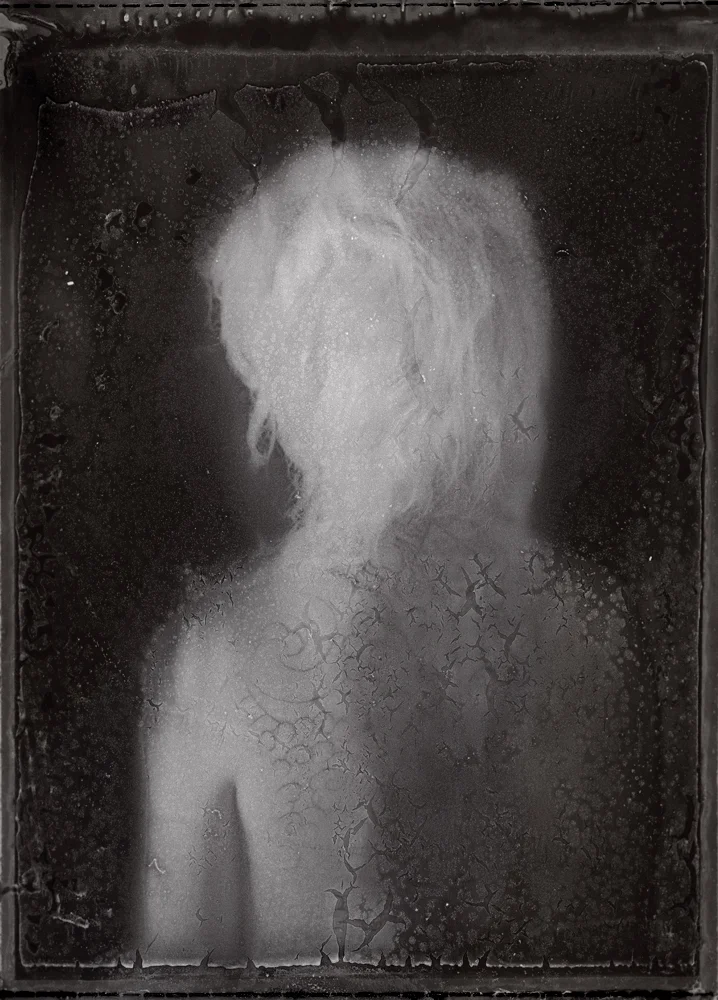


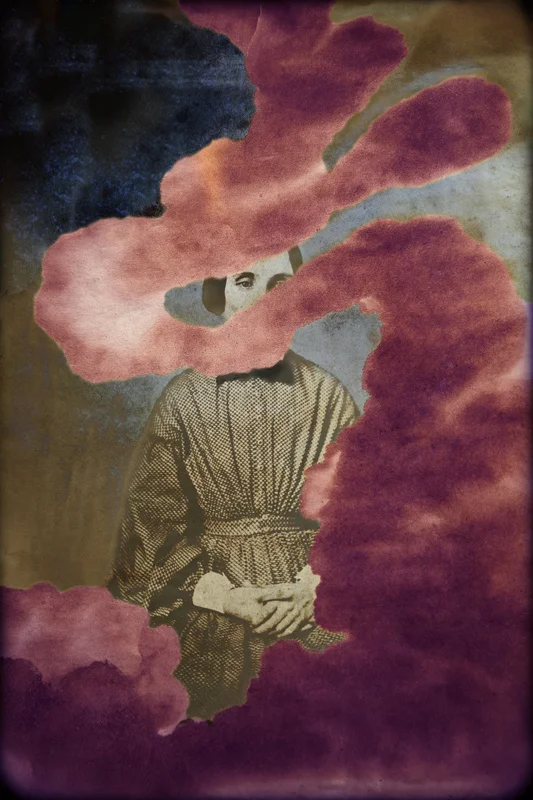
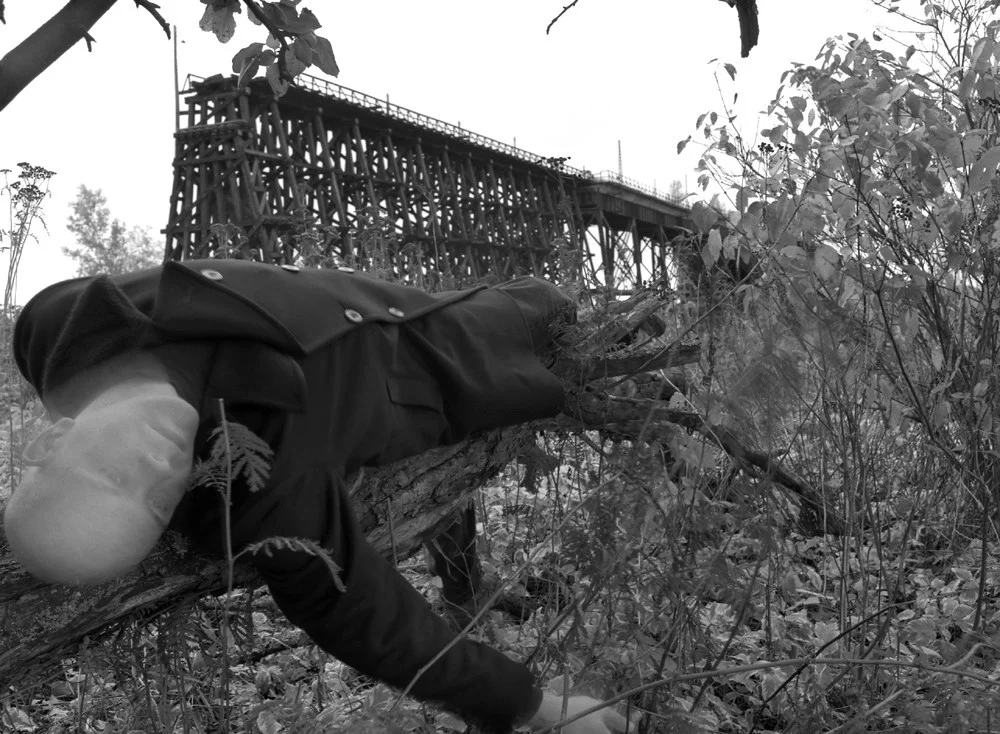
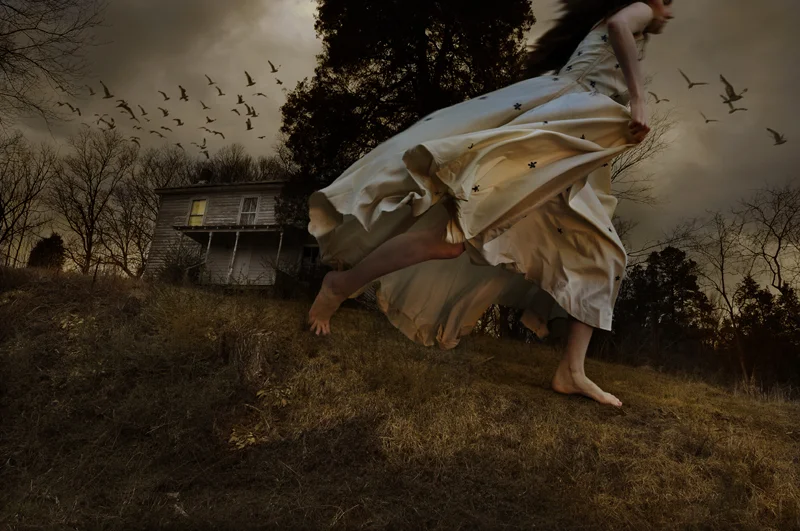
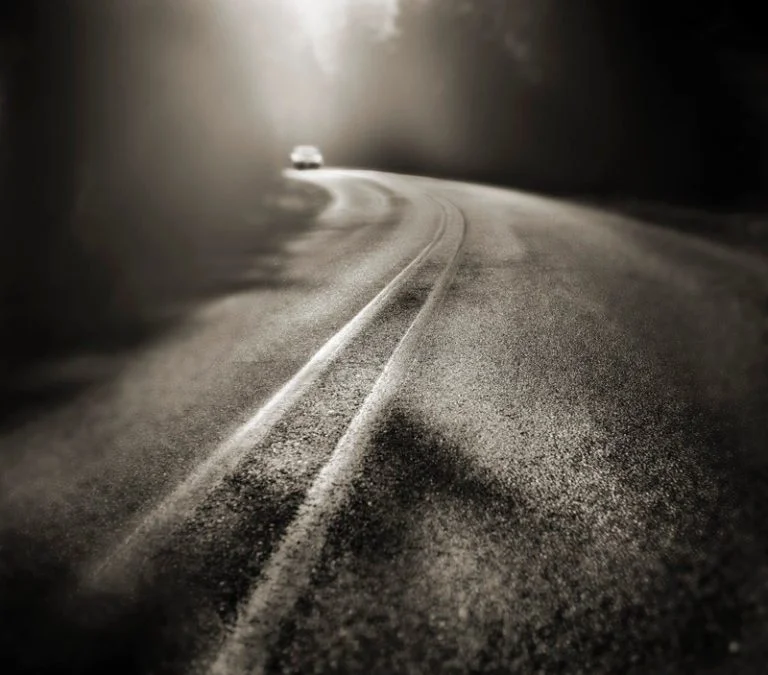

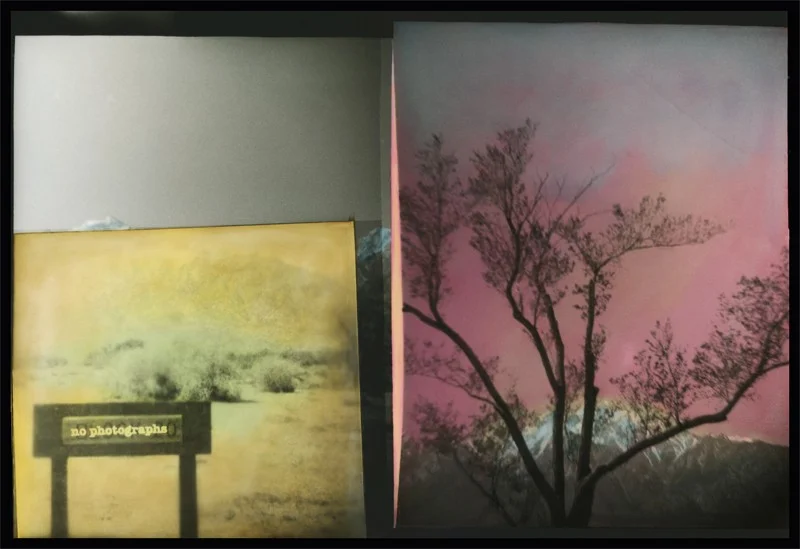
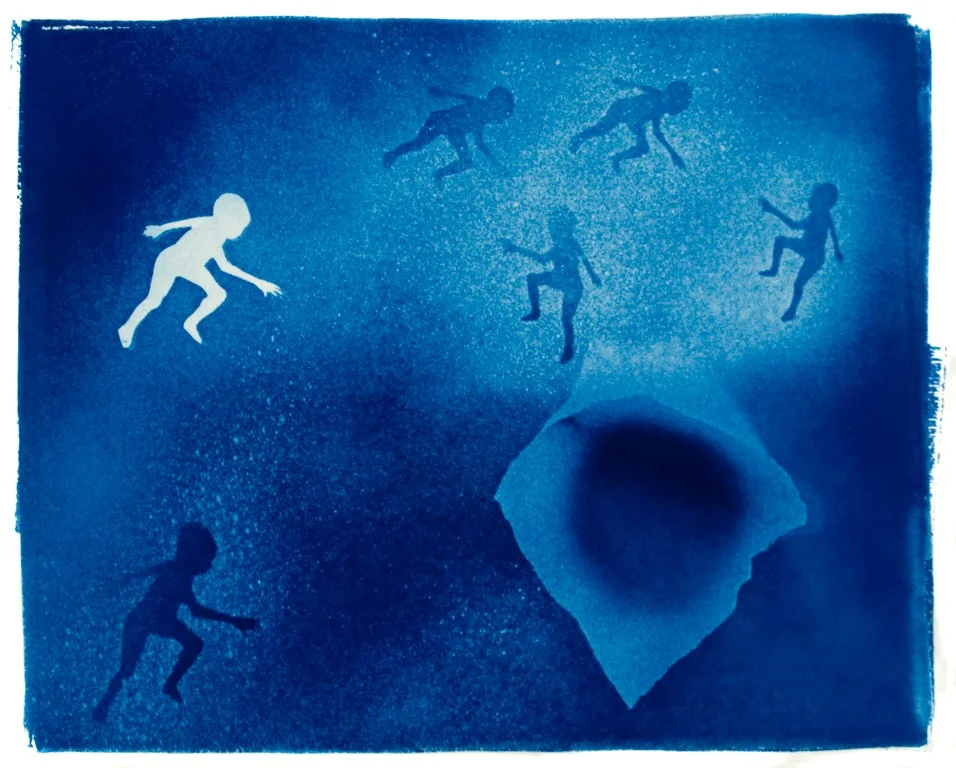


Torn: An Interview with Manuela Thames by Amy Parrish
Transported. That’s how I felt while reviewing a portfolio by Manuela Thames at the Promoting Passion Conference in Tucson last spring. Spread across the table were hauntingly beautiful prints from her series, Torn. Monochromatic images (old and new, digital and analog) had been ripped and reassembled into eighteen diptychs, positioning each fragment within a new context.
In this work, Thames scratches at emotion with a kinetic visual energy that can feel both unsettled and remarkably soothing. Gesture and place draw together dichotomies of history, of connection, of land, of memory. Her expressions are both familiar and otherworldly.
It was during our brief meeting that Thames mentioned this collection was in response to her family history in Germany and the present Ukrainian war. Now, months later, her photographs continue to move me. I wanted to share her work and learn even more.